In today’s high pressure lifestyle, mental fatigue has become as common as physical exhaustion. Long hours of screen time, constant notifications, work deadlines, and lack of quality sleep all contribute to tension that accumulates in the head, neck, and shoulders. A head massage is not just a relaxing ritual. It is a powerful therapeutic practice that directly supports stress relief and brain relaxation.
Rooted in traditional wellness systems such as Ayurveda, head massage has been used for centuries to calm the mind and restore balance. Modern science now supports many of these benefits.
Let us explore why head massage is essential for mental and neurological relaxation.
How Stress Affects the Head and Brain
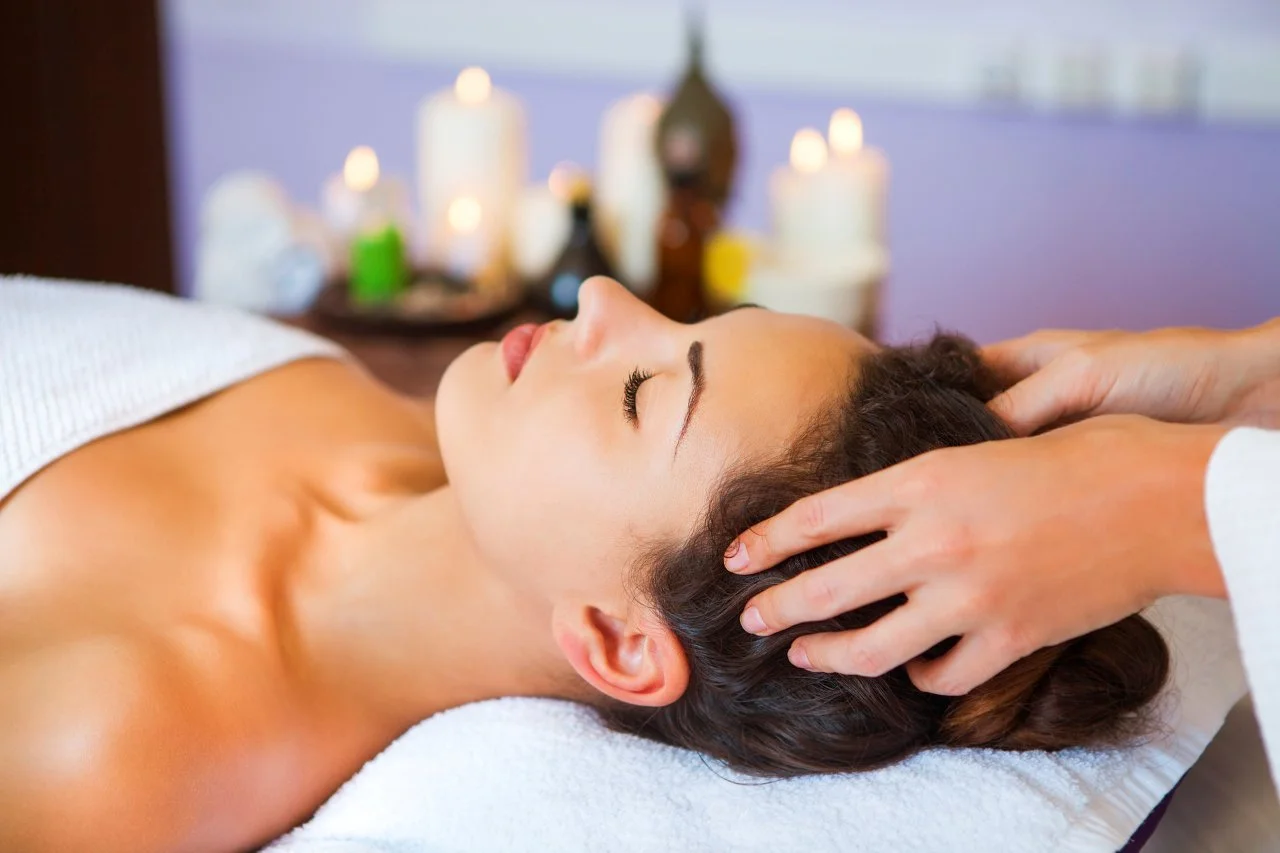
When you experience stress, your body activates the sympathetic nervous system, often referred to as the fight or flight response. This leads to:
- Tightened scalp and neck muscles
- Reduced blood circulation
- Increased cortisol levels
- Headaches and mental fatigue
Over time, chronic stress can cause tension headaches, poor concentration, and sleep disturbances.
A head massage directly targets these stress related responses.
1. Improves Blood Circulation to the Scalp and Brain
Massage stimulates blood flow to the scalp and surrounding tissues. Improved circulation increases oxygen and nutrient delivery to brain cells.
Better blood flow helps:
- Reduce tension headaches
- Support cognitive clarity
- Decrease mental fatigue
- Enhance focus
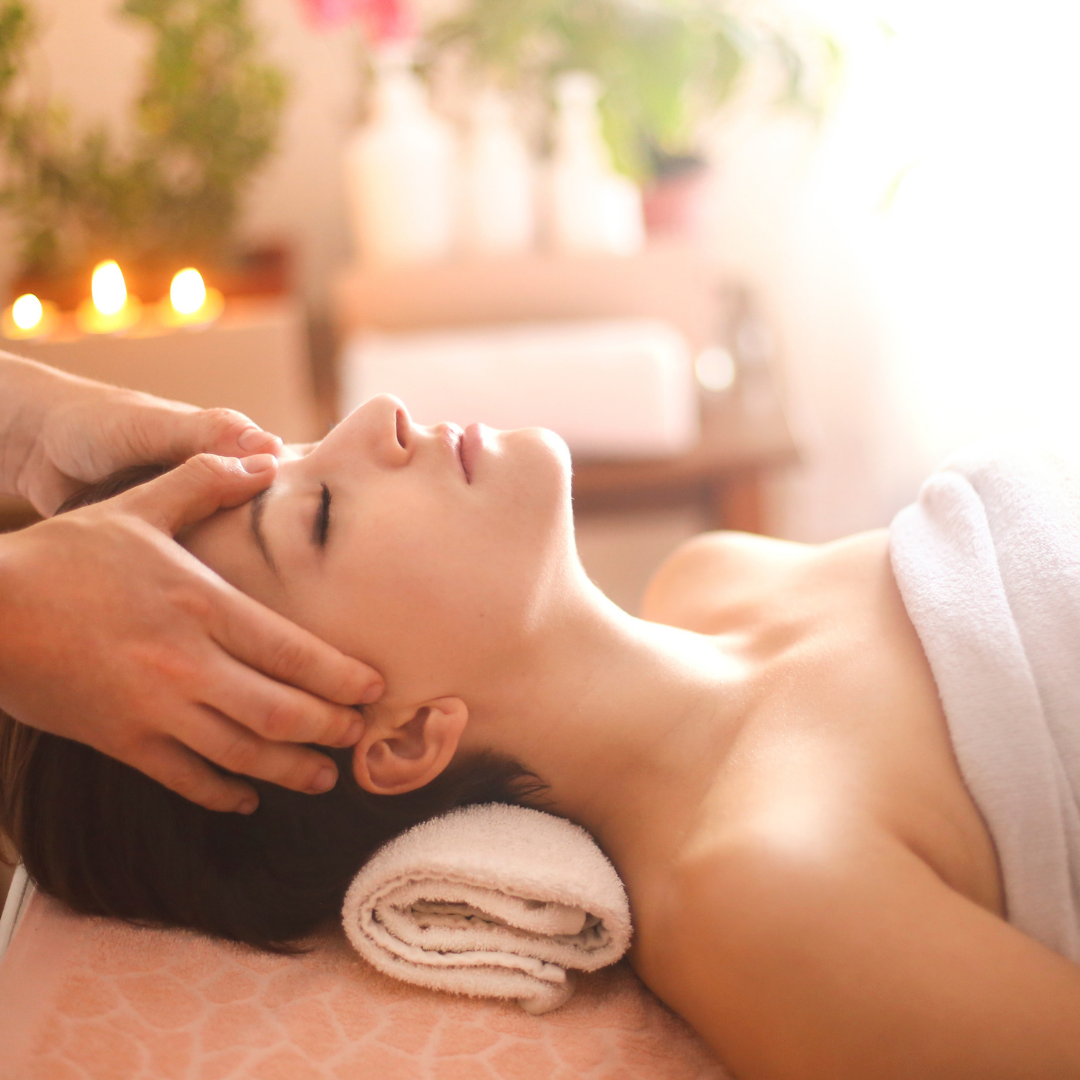
When oxygen supply improves, the brain functions more efficiently and feels less strained.
2. Reduces Cortisol and Promotes Relaxation Hormones
Studies on massage therapy show that it can lower cortisol levels while increasing serotonin and dopamine. These neurotransmitters are associated with mood stability and relaxation.
A head massage activates the parasympathetic nervous system, which shifts the body into a calm state. This reduces heart rate and blood pressure while creating a sense of emotional balance.
The calming effect can last beyond the session, helping manage daily stress more effectively.
3. Relieves Tension in the Scalp, Neck, and Shoulders
Stress often manifests physically as tightness around the temples, jaw, neck, and upper shoulders. Gentle circular motions and pressure techniques help release these tight muscles.
Relieving this tension can:
- Decrease frequency of stress headaches
- Reduce neck stiffness
- Improve posture related discomfort
- Enhance overall physical comfort
Since the scalp contains many nerve endings, even light stimulation can have a powerful relaxing effect.
4. Supports Better Sleep Quality
Stress and overthinking frequently disrupt sleep patterns. By calming the nervous system, a head massage prepares the body for deeper rest.
Regular sessions may help:
- Fall asleep faster
- Improve sleep duration
- Reduce nighttime awakenings
- Promote restorative sleep cycles
When the brain relaxes, the body follows.
5. Enhances Mental Clarity and Focus
Mental burnout often results from overstimulation and lack of relaxation. A head massage creates a pause from constant mental activity.
The combination of improved circulation and reduced stress hormones helps sharpen concentration. Many individuals report feeling mentally refreshed and more productive after a session.
6. Aromatherapy Boosts Brain Relaxation
When natural oils are used during a head massage, the benefits increase. Oils such as coconut, almond, or herbal blends nourish the scalp while providing sensory relaxation.
Essential oils like lavender or eucalyptus stimulate the olfactory system, which connects directly to the brain’s emotional center. This enhances stress reduction and deepens relaxation.
The soothing aroma combined with touch creates a holistic calming experience.
7. Encourages Mind Body Balance
Head massage is more than physical therapy. It reconnects the mind and body through intentional touch and focused relaxation.
Taking time for this practice:
- Reduces mental overload
- Promotes mindfulness
- Encourages emotional reset
- Improves overall well being
In a fast paced environment, even a short 15 to 20 minute session can significantly improve mood and clarity.
Who Can Benefit Most
Head massage is especially beneficial for:
- Professionals experiencing work stress
- Students facing academic pressure
- Individuals with frequent headaches
- People suffering from insomnia
- Anyone experiencing mental fatigue
It is safe for most individuals when performed gently and correctly.
How Often Should You Get a Head Massage
For general stress management, once or twice a week can provide noticeable benefits. For individuals with high stress levels, short daily self massage sessions can also be helpful.
Consistency plays a key role in achieving lasting results.
Final Thoughts
Head massage is a simple yet powerful practice that directly supports stress relief and brain relaxation. By improving blood circulation, reducing cortisol levels, releasing muscle tension, and promoting better sleep, it addresses both physical and mental stress.
Incorporating regular head massage into your wellness routine can enhance focus, emotional balance, and overall quality of life. In a world that constantly demands attention and energy, giving your brain the opportunity to relax is not a luxury. It is essential for long term health and well being.