Massage machines have become increasingly popular as people look for convenient ways to relax, recover, and manage muscle tension at home. From handheld massagers to advanced massage chairs, these devices promise stress relief and pain reduction without the need for spa appointments.

But are massage machines truly effective for everyone? Before investing in one, it is important to understand both the advantages and the limitations. Making an informed decision ensures you choose the right device for your needs and budget.
What Are Massage Machines?

Massage machines are electronic or manual devices designed to simulate massage techniques such as kneading, tapping, vibration, rolling, or percussion. Popular types include:
- Handheld electric massagers
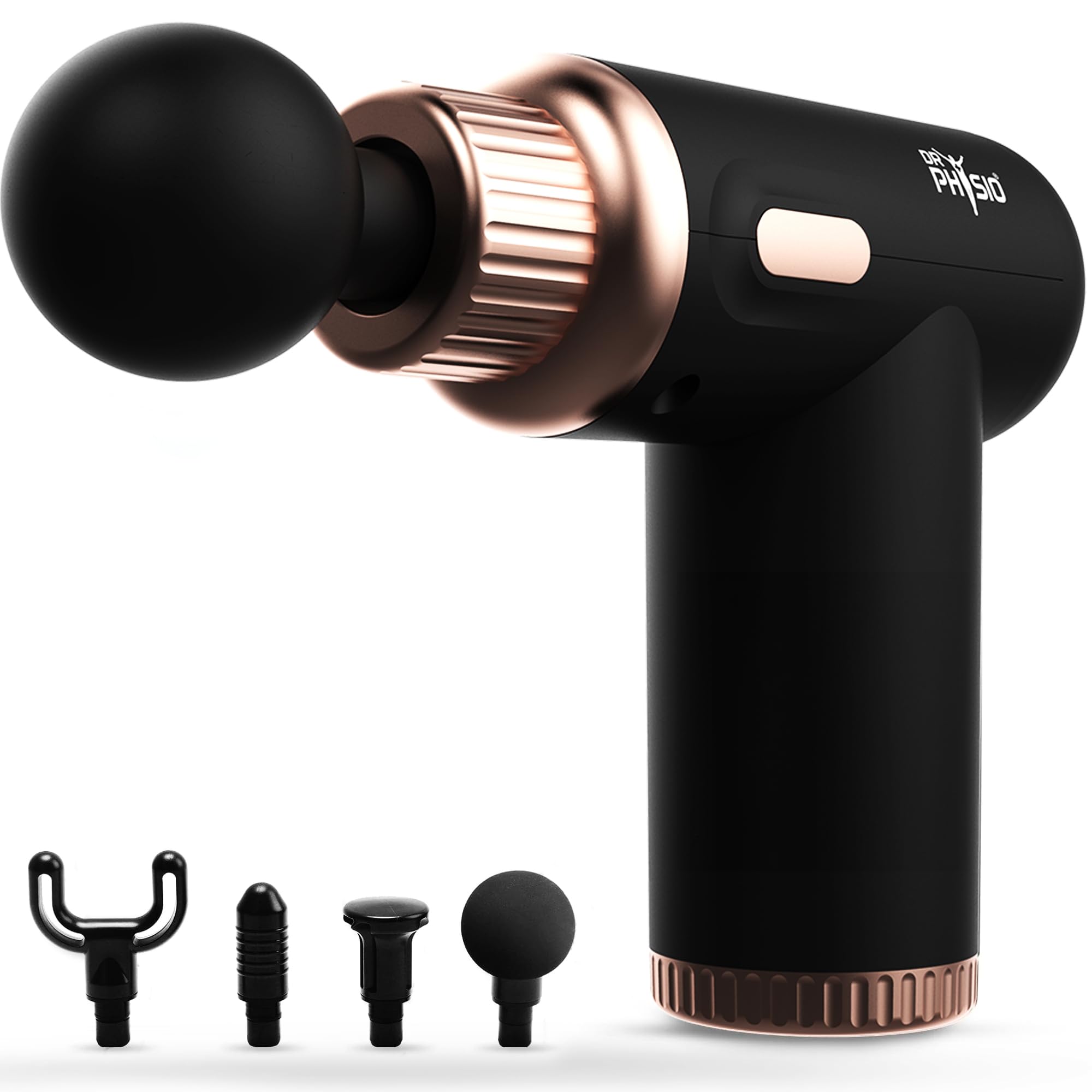
- Percussion massage guns
- Full body massage chairs
- Neck and shoulder massagers
- Foot massagers
Each type targets different muscle groups and offers varying intensity levels.
Pros of Massage Machines
1. Convenience and Accessibility
One of the biggest advantages of massage machines is convenience. You can use them anytime without booking appointments or traveling to a spa. This makes them ideal for busy professionals and individuals with tight schedules.
Home accessibility also encourages regular use, which can support long term muscle relaxation.
2. Cost Effective Over Time
Although some devices require a higher upfront investment, especially massage chairs, they can be cost effective compared to frequent professional massage sessions.
For example, high end chairs from brands like Osaki or Human Touch may seem expensive initially, but regular spa visits can quickly exceed that cost over time.
3. Muscle Recovery Support
Percussion devices, such as massage guns popularized by brands like Therabody, are commonly used by athletes for muscle recovery.
Benefits may include:
- Improved blood circulation
- Reduced muscle soreness
- Faster recovery after workouts
- Temporary relief from stiffness
For fitness enthusiasts, these devices can be useful recovery tools.
4. Adjustable Intensity Settings
Many massage machines offer multiple speed and pressure levels. Users can customize intensity according to comfort and pain tolerance, which adds flexibility.
Some advanced massage chairs also include heat therapy, zero gravity positioning, and body scanning technology for a more tailored experience.
5. Privacy and Comfort
Using a massage machine at home provides privacy. Some individuals may feel uncomfortable receiving hands on therapy from a therapist. A machine allows relaxation in a familiar environment.
Cons of Massage Machines
1. Lack of Human Touch and Customization
While machines replicate certain massage movements, they cannot fully match the intuition and adaptability of a trained therapist.
A professional massage therapist can:
- Identify specific trigger points
- Adjust pressure in real time
- Modify techniques based on muscle response
- Provide personalized therapy
Machines follow preset patterns and cannot truly assess your body’s unique needs.
2. Risk of Overuse or Improper Use
Using massage machines incorrectly can lead to:
- Bruising
- Increased soreness
- Muscle irritation
- Nerve sensitivity
High intensity percussion devices in particular should be used carefully. People with medical conditions such as varicose veins, fractures, or severe inflammation should consult a healthcare professional before use.
3. Limited Full Body Coverage
Handheld devices may not effectively reach certain areas like the upper back without assistance. Even massage chairs, although comprehensive, may not perfectly target smaller muscle groups.
Human therapists can access and manipulate muscles more precisely.
4. High Initial Cost
Premium massage chairs can be expensive. While handheld massagers are affordable, high quality full body systems can represent a significant financial investment.
Consumers must weigh frequency of use against cost to determine value.
5. Temporary Relief Rather Than Long Term Correction
Massage machines often provide short term relaxation and relief. However, they do not correct underlying issues such as:
- Poor posture
- Muscle imbalances
- Chronic injury conditions
Therapeutic treatment plans designed by professionals may address root causes more effectively.
Who Should Consider Buying a Massage Machine
Massage machines may be ideal for:
- Individuals with mild muscle tension
- Athletes seeking recovery tools
- People who cannot frequently visit spas
- Those looking for stress relief at home
- Users wanting supplementary support between professional sessions
They work best as part of a broader wellness routine that includes stretching, hydration, exercise, and proper posture.
Who Should Be Cautious
People with the following conditions should seek medical advice before purchasing or using massage devices:
- Severe osteoporosis
- Blood clotting disorders
- Recent surgeries
- Chronic inflammatory conditions
- Nerve disorders
Safety should always be the priority.
Key Factors to Consider Before Buying
When choosing a massage machine, evaluate:
- Purpose: relaxation, recovery, or pain relief
- Portability: handheld vs stationary
- Intensity levels and customization options
- Heat therapy features
- Warranty and brand reputation
- Budget and long term value
Reading verified customer reviews and comparing features can help narrow down the best option.
Final Thoughts
Massage machines offer convenience, accessibility, and effective temporary muscle relief. They can be excellent tools for stress reduction and workout recovery when used correctly.
However, they cannot fully replace the personalized care and adaptability of a skilled massage therapist. Understanding both the advantages and the limitations allows you to make a better buying decision.
If your goal is regular relaxation at home, a massage machine may be a worthwhile investment. If you need targeted therapy for chronic pain or specific injuries, professional treatment might be the better choice.
Making an informed decision ensures your investment supports both your health and your budget.